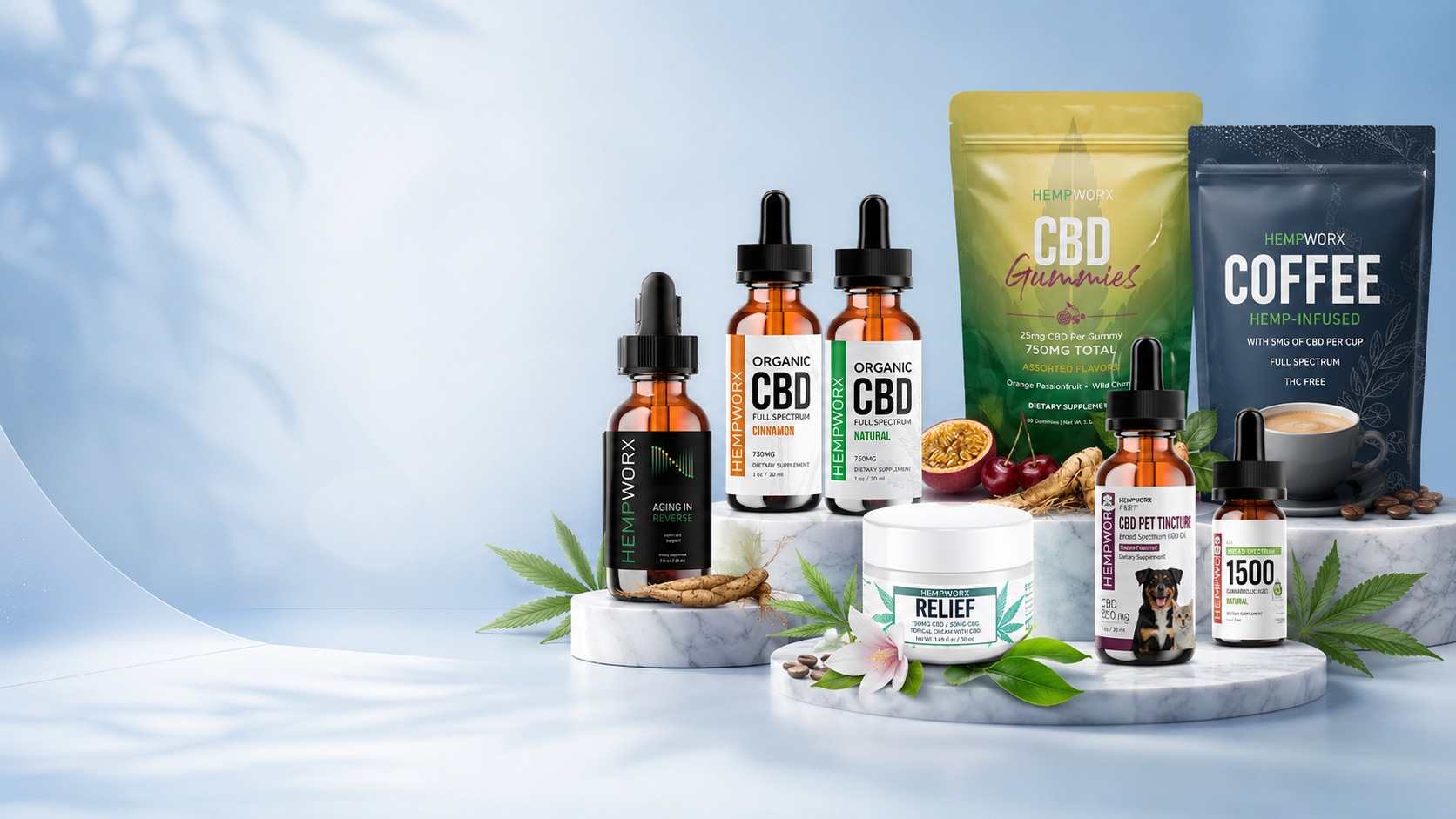
HempWorx | Directly Hemp · Free product guidance · 60 day satisfaction guarantee

HempWorx CBD oils, gummies, Relief Cream and pet CBD from Directly Hemp CBD and hemp learning center

HempWorx | Directly Hemp

CBD & Hemp Learning Center

Learn the basics of CBD and hemp, understand the difference between full spectrum and THC-free products, compare CBD formats and strengths, learn how to read lab reports, and get straightforward answers to the CBD questions consumers ask most.

Written by Monika Jensen  •  Last Updated: September 3, 2026

Start here

CBD Basics

What is CBD?

Quick answer

CBD, short for cannabidiol, is one of the naturally occurring cannabinoids found in the hemp plant. It is generally described as non-intoxicating, meaning it does not produce the high associated with THC. CBD is sold in formats such as oils, gummies, capsules, sprays and topical creams.

Consumer CBD products are not approved by the FDA to diagnose, treat, cure or prevent disease. The only cannabidiol product the FDA has approved is a prescription medicine, which is different from the hemp supplements sold in retail.
What is hemp?

Quick answer

Hemp is a variety of the cannabis plant grown for fiber, seed and cannabinoid extract. Under federal law hemp has historically been separated from marijuana by its THC content rather than by appearance. CBD is one of many compounds extracted from hemp flower and leaf material.

The 2018 Farm Bill defined qualifying hemp using a threshold of no more than 0.3% delta-9 THC by dry weight. Legislation enacted in November 2025 revises that federal definition effective November 12, 2026.

What is THC?

Quick answer

THC, or delta-9 tetrahydrocannabinol, is the cannabinoid most associated with the intoxicating effects of cannabis. It is a different compound from CBD. Full spectrum hemp products can contain trace amounts of THC, while broad spectrum products are formulated so that THC is not detectable.

What are cannabinoids?

Quick answer

Cannabinoids are a family of naturally occurring compounds produced by the cannabis plant. CBD, CBDA, CBG, CBN and THC are all cannabinoids. Hemp extracts differ from one another mainly in which cannabinoids remain in the finished product after extraction and processing.

What are terpenes?

Quick answer

Terpenes are aromatic compounds found in hemp and in many other plants. They contribute to the smell and taste of a hemp extract. Full spectrum and broad spectrum products often retain terpenes, while isolate products typically do not.

What is CBDA?

Quick answer

CBDA, or cannabidiolic acid, is the raw form of CBD found in the living hemp plant. Heat and time convert CBDA into CBD. Products marketed as CBDA are made to preserve that raw cannabinoid instead of converting it, so the cannabinoid profile differs from a standard CBD oil.

What is the entourage effect?

Quick answer

The entourage effect is a term used to describe the idea that hemp compounds may work together rather than in isolation. It is a discussion topic in cannabinoid research, not a settled conclusion, and it is not a promise of any specific outcome for any individual.

CBD is not the only cannabinoid appearing on hemp labels. CBG, or cannabigerol, is a lesser known minor cannabinoid now being combined with CBD in some products, including the HempWorx Relief Cream. See our CBG vs CBD guide to learn how the two compare.

Compare

CBD vs THC: What's the Difference?

CBD and THC are two different cannabinoids from the same plant family. The table below compares them on the points shoppers ask about most.

CBDTHC
Intoxicating effectsGenerally described as non-intoxicatingThe compound primarily associated with the cannabis high
SourceNaturally occurs in cannabis; consumer CBD products discussed on Directly Hemp are hemp-derived.Present in both hemp and marijuana in differing amounts
Common product typesOils, gummies, capsules, sprays, topicals, pet tincturesRegulated cannabis products where state law permits, plus trace amounts in full spectrum hemp
Drug testing relevanceStandard tests generally do not screen for CBDWorkplace panels generally screen for THC and its metabolites
Full-spectrum presencePrimary cannabinoid in a CBD productMay be present in trace amounts within legal limits
General legal considerationsQualifying hemp-derived CBD sits outside the federal marijuana definition, though state rules and FDA marketing rules still applyFederal and state treatment depends on concentration, product type and jurisdiction

Formulation

Full Spectrum vs Broad Spectrum CBD

What is full-spectrum CBD?

Full spectrum hemp extract retains a wide range of the plant's naturally occurring compounds, including other cannabinoids, terpenes and trace THC within legal limits.

What is broad-spectrum CBD?

Broad spectrum extract keeps supporting cannabinoids and plant compounds while removing detectable THC through additional processing.

What does THC-free mean?

THC-free normally means the finished product is formulated and tested so THC is not detectable at the laboratory's testing limit. It is a formulation and testing statement, not a guarantee about any drug test outcome.

What is CBD isolate?

Isolate is CBD separated from the rest of the plant material, so other cannabinoids and terpenes are removed. It is usually a white crystalline powder before it is mixed into a carrier oil.

Full SpectrumBroad SpectrumCBD Isolate
CBDPresentPresentPresent
Other cannabinoidsPresentGenerally presentRemoved
THCTrace amounts within legal limitsNo detectable THCNone
TerpenesGenerally retainedOften partially retainedRemoved
Who may prefer itShoppers who want the widest natural cannabinoid profileShoppers who want supporting cannabinoids without detectable THCShoppers who want CBD only with no other plant compounds

None of these categories is universally better than another. The right choice depends on which compounds you want in the bottle and whether you prefer to avoid THC entirely.

Choosing a bottle

What CBD Oil Strength Should You Choose?

Quick answer

Strength refers to the total milligrams of CBD in the bottle. Combined with the bottle size, that number determines how much CBD is in each serving as measured by the supplied dropper. Higher milligram strength does not automatically mean better.

Tinctures are commonly sold in tiers such as 500 mg, 750 mg and 1500 mg per bottle. Two bottles with the same milligram total can still deliver different amounts per serving if the bottle volumes differ, which is why comparing only the headline number is misleading.

  • Total CBD in the bottle
  • Bottle size in millilitres
  • CBD per serving as stated on the label
  • The product directions for that specific formula
  • Your own preference for flavour, format and routine

This page does not provide personalised or condition-specific amounts. Follow the current directions printed on the product and speak with a healthcare professional about your own circumstances.

Formats

CBD Oil vs Gummies vs Topicals

CBD OilCBD GummiesCBD Cream / Topicals
How it is usedMeasured with the dropper and held under the tongue as directedChewed like a normal edibleApplied to the skin on the target area
ConvenienceRequires measuringPre-portioned per pieceApplied by hand, no measuring
PortabilityGlass bottle and dropperVery portableTube or jar, easy to carry
Ease of measuringMost adjustable, marked dropperFixed amount per gummyNot measured in servings
Typical reason consumers choose itFlexibility over the amount usedTaste and simplicityPreference for applying a product to one area rather than taking it orally

Format is a matter of routine and preference. None of these formats is described here as treating pain, anxiety, sleep problems or any medical condition.

Directions

How Is CBD Oil Used?

  1. 1Read the product label before the first use, since directions differ between formulas.
  2. 2Shake the bottle if the label directs you to.
  3. 3Measure with the dropper supplied with the bottle rather than a kitchen spoon.
  4. 4Follow the manufacturer's instructions for how the product is taken and how often.
  5. 5Start only according to the current product directions, and keep the bottle closed and stored as directed.

We do not provide personalised dosing instructions, and no single amount is appropriate for everyone.

Timing

How Long Does CBD Take to Work?

Quick answer

Timing varies from person to person and product to product, so no exact onset time can be promised. Product format, formulation, the amount used, recent food intake and individual metabolism all influence how quickly a person notices anything.

Oral products such as gummies pass through digestion before anything enters circulation, while products held under the tongue are absorbed differently, and topicals are applied to the skin rather than taken orally. For general background on cannabinoid research and its limits, see the NIH National Center for Complementary and Integrative Health.

Duration

How Long Does CBD Stay in Your System?

Quick answer

There is no single figure that applies to everyone. Published estimates vary widely, and the honest answer is that it depends on the individual and the product.

  • How frequently the product is used
  • How much is used at a time
  • Individual metabolism
  • Body composition
  • Product type and formulation

Drug testing is a separate question. Workplace panels generally look for THC and its metabolites rather than for CBD, so how long CBD itself lingers is not the same question as what a test can detect. See our detailed guide on how long CBD stays in your system.

Workplace testing

Can CBD Make You Fail a Drug Test?

Quick answer

Standard drug tests generally screen for THC and its metabolites rather than for CBD itself. Because full spectrum hemp products can contain trace THC, no product and no seller can guarantee a particular test result.

  • Federal workplace urine testing reports a THC metabolite rather than CBD, according to SAMHSA guidance.
  • The US Department of Transportation notes that its testing covers marijuana rather than CBD, and that CBD use is not accepted as an explanation for a confirmed positive result.
  • Full spectrum products can contain trace THC within legal limits.
  • Consumers who want to avoid THC often prefer a broad spectrum THC-free formulation, verified against the current batch report.

If workplace drug testing matters to you, review the current laboratory report and your employer's testing requirements before using cannabinoid products.

Effects

Does CBD Get You High?

Quick answer

No. CBD is generally described as non-intoxicating and is not expected to produce the high associated with THC.

CBD and THC are separate cannabinoids. THC is the compound primarily associated with the intoxicating effects of cannabis. Full spectrum hemp products may contain trace amounts of THC within legal limits, which is why shoppers who want none at all usually choose a broad spectrum THC-free product and check the batch report.

Safety

CBD Safety & Medication Considerations

  • CBD can interact with medications, and the FDA has warned that it can affect how other drugs are processed.
  • Individual responses vary, so another person's experience is not a guide to your own.
  • People who are pregnant or nursing should consult an appropriate healthcare professional before using hemp-derived products.
  • Anyone taking prescription medication should speak with their healthcare provider before adding a cannabinoid product.

For primary information see the FDA consumer update on cannabis-derived products and the NIH overview of cannabis and cannabinoids. Nothing on this page is medical advice.

Regulation

Is CBD Legal in 2026?

Last updated: September 3, 2026

Quick answer

Hemp-derived CBD that qualifies under federal law sits outside the federal Controlled Substances Act definition of marijuana, but federal and state requirements can differ, so consumers should verify current rules in their jurisdiction.

Two separate layers of law apply. The 2018 Farm Bill removed qualifying hemp from the federal definition of marijuana using a threshold of no more than 0.3% delta-9 THC by dry weight. Separately, the FDA regulates how cannabidiol may be marketed in foods, dietary supplements and drugs, and states set their own hemp rules covering product types, age limits and retail sales.

Legislation enacted in November 2025 revises the federal statutory definition of hemp, with the change scheduled to take effect on November 12, 2026. Congressional Research Service material describes the revised definition as moving toward a total THC standard, including THCA, and adding restrictions affecting certain finished hemp-derived cannabinoid products. Because that framework is still being implemented, confirm the current text against Congress.gov and Congressional Research Service reports rather than relying on secondary summaries.

We do not state that CBD is legal in all 50 states, because product rules genuinely differ by state and by product category. Read the full 2026 hemp law explainer.

Travel

Can You Fly With CBD?

Quick answer

TSA states that products containing hemp-derived CBD produced consistent with federal law are generally permitted in carry-on and checked baggage. Liquids in carry-on baggage still follow the standard liquid rules, and screening focuses on security rather than product legality.

  • Domestic and international travel are different situations, and border rules are set by the destination country.
  • State laws vary, so a layover or destination inside the United States can still have its own restrictions.
  • Keep products in original labelled packaging and carry the current laboratory report where practical.
  • Check current TSA guidance and destination laws before every trip, since guidance changes.

Official source: TSA What Can I Bring, medical marijuana and CBD oil. See our 2026 TSA travel guide.

Shelf life

Does CBD Expire?

Quick answer

Yes. Hemp products have a shelf life, and heat, light and air exposure can affect quality over time. Check the date printed on the packaging and store the product according to the manufacturer's directions.

How to store CBD oil properly

  • Keep it cool and away from heat sources such as a stove or a parked car.
  • Avoid direct sunlight, and keep tinted bottles in a cupboard or drawer.
  • Keep it dry, so a bathroom counter is rarely the best spot.
  • Close the cap tightly after every use to limit air exposure.
  • Keep gummies in their sealed container so they do not dry out or stick together.
  • Follow any storage instruction printed on the specific product label.

Read the full CBD storage and shelf life guide.

Verification

How to Read a CBD Lab Report

Quick answer

A Certificate of Analysis, usually called a COA, is a laboratory report for one specific production batch. It shows what the laboratory measured in a sample of that batch rather than what the front label claims.

A useful report normally includes:

  • The measured CBD amount
  • The measured THC amount
  • Other cannabinoids detected
  • The batch or lot number
  • The testing date
  • Contaminant testing such as heavy metals, pesticides and residual solvents where performed

What to check on a CBD COA

  1. 1Match the batch number on the bottle to the batch on the report.
  2. 2Confirm the CBD content matches the label claim.
  3. 3Check the THC levels reported for that batch.
  4. 4Review the testing date so the report is current.
  5. 5Look for contaminant testing such as heavy metals, pesticides and residual solvents.
  6. 6Verify the testing laboratory is named and independent of the seller.

Shopping

How to Choose a Quality CBD Product

  • Clear labeling that states the cannabinoid type and the total amount in the bottle
  • Current laboratory testing tied to the batch you received
  • A known manufacturer that can be identified and contacted
  • Cannabinoid content that matches what the label claims
  • A full ingredient list, including the carrier oil and flavoring
  • Batch or lot information printed on the packaging
  • Reasonable claims rather than promises to treat conditions
  • Current certifications where they genuinely apply to the product

Words such as premium, pure or advanced carry no defined meaning on their own. A batch laboratory report, a full ingredient list and an identifiable manufacturer tell you far more than the front of the bottle.

Labels

What Does Organic CBD Mean?

Organic hemp

Refers to how the hemp itself was farmed. It describes the crop, and does not by itself tell you that the finished bottle carries a certification.

USDA Certified Organic

A regulated certification administered through the USDA National Organic Program. Certification applies to specific operations and products, so it should only be claimed where it is current and verifiable.

Natural

Marketing language rather than a certification. A product described as natural has not necessarily been certified against any organic standard.

Verify any certification claim against current manufacturer documentation and the USDA National Organic Program.

Pets

What Should Pet Owners Know About CBD?

Quick answer

Animals can respond differently than people, so pet owners should use products formulated specifically for animals and follow the label for that product. Speak with your veterinarian first, especially if the animal takes medication or has a medical condition.

  • Choose a product made for animals rather than sharing a human tincture.
  • Follow the directions printed on the pet product, since concentrations differ from human formulas.
  • Watch for flavourings or ingredients that are not appropriate for your animal.
  • Consult your veterinarian before starting or changing any supplement.

Product categories

Understanding HempWorx CBD Products

Directly Hemp is an authorized HempWorx online store shipping to customers in the United States and Europe. These are the current HempWorx categories carried on this site.

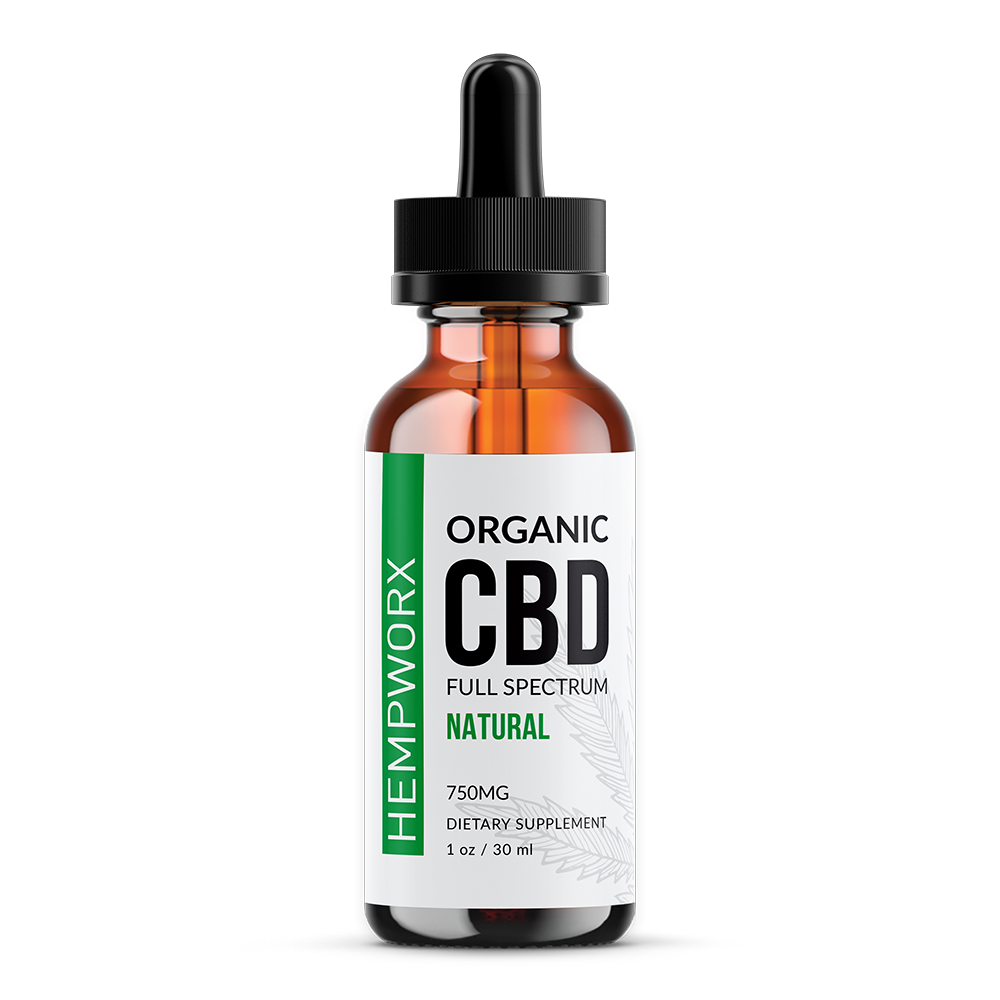
Full Spectrum CBD Oil Natural (Organic) from HempWorx at Directly Hemp

Full Spectrum CBD Oil

The flagship HempWorx tincture: organic, full spectrum hemp extract with the complete cannabinoid profile and under 0.3% THC. Unflavoured, so it mixes into coffee or a smoothie as easily as it goes under the tongue.

View Product
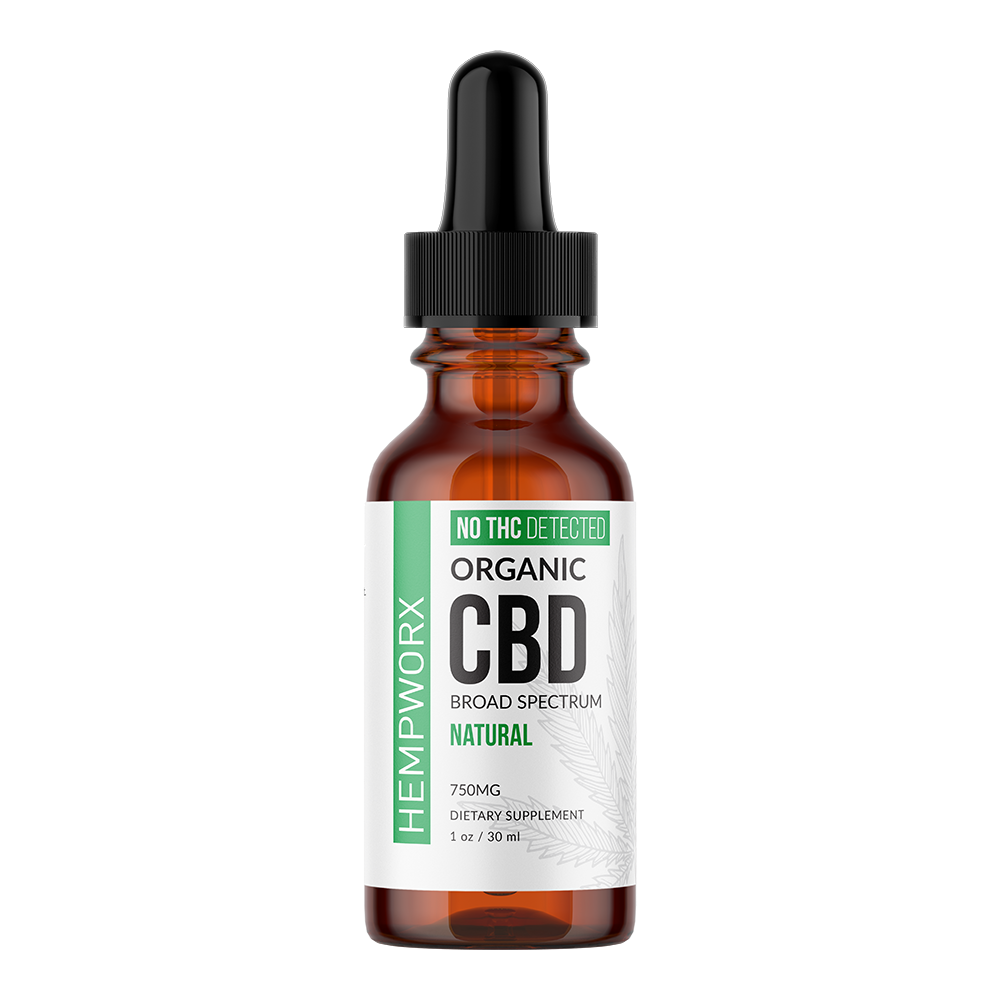
Broad Spectrum CBD Oil THC Free Natural from HempWorx at Directly Hemp

Broad Spectrum THC-Free CBD Oil

Broad spectrum retains supporting cannabinoids while being formulated with no detectable THC. It may appeal to customers who specifically prefer to avoid detectable THC. No CBD product can guarantee a particular drug-test result.

View Product
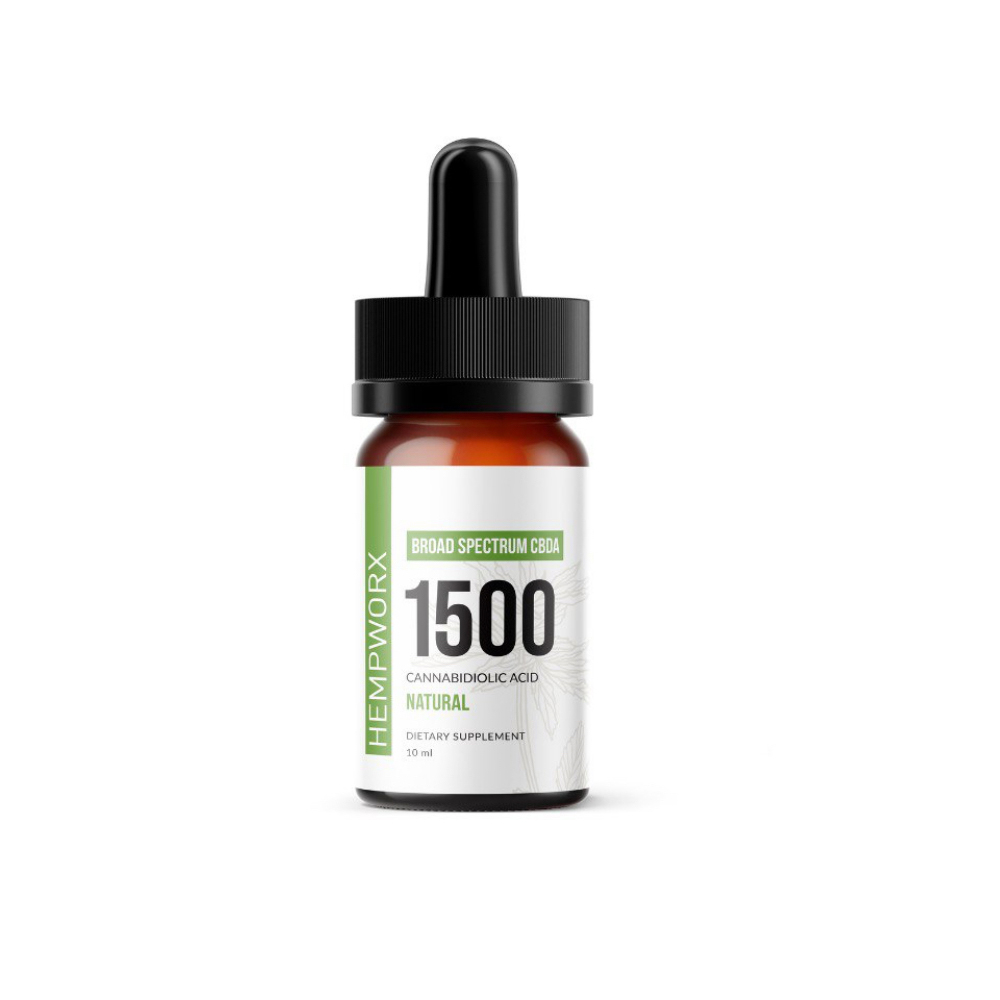
HempWorx CBDA Broad Spectrum from HempWorx at Directly Hemp

CBDA Broad Spectrum

CBDA is the raw acid form of CBD that the hemp plant makes before heat converts it. This broad spectrum, THC free tincture keeps CBDA intact for people who want the less processed side of the cannabinoid profile.

View Product
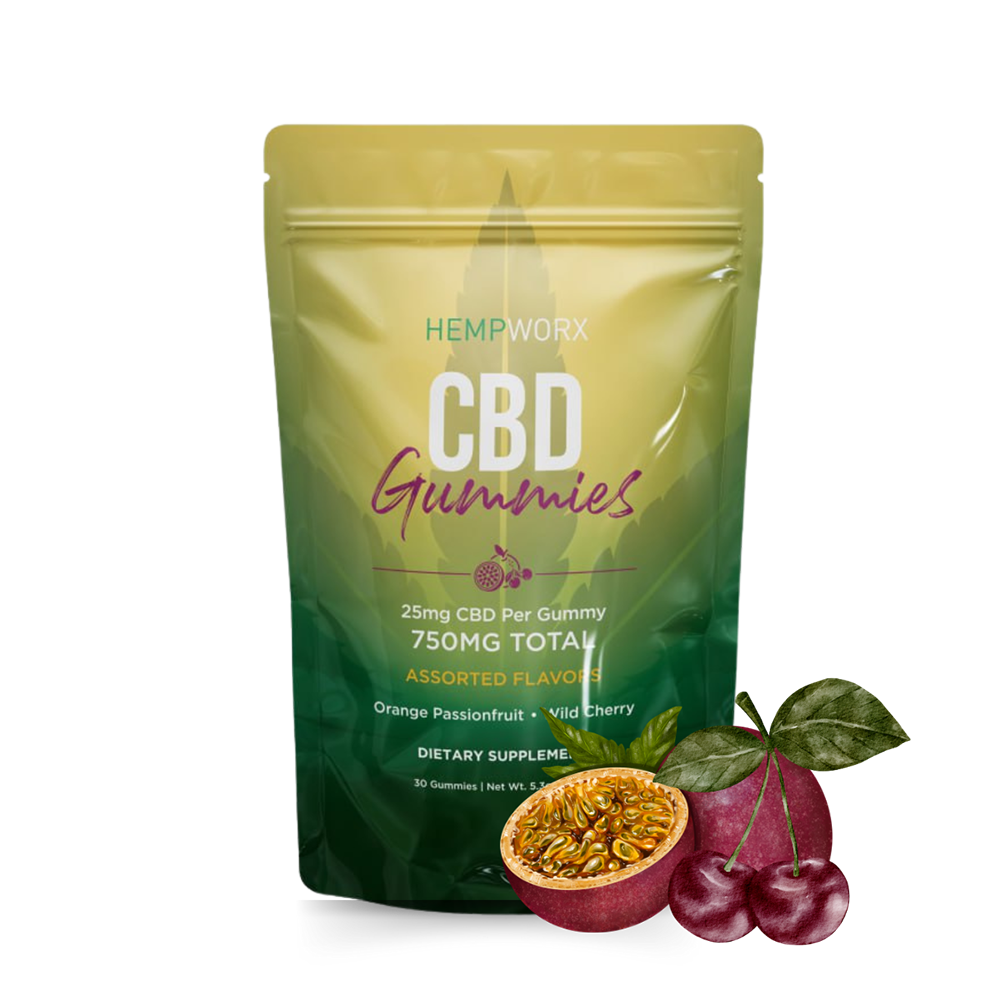
CBD Gummies Assorted Flavors from HempWorx at Directly Hemp

CBD Gummies

Pre measured HempWorx CBD gummies in two fruit flavours, so there is no dropper, no maths and no hemp aftertaste. The easiest way to keep a daily CBD habit at a desk or in a gym bag.

View Product
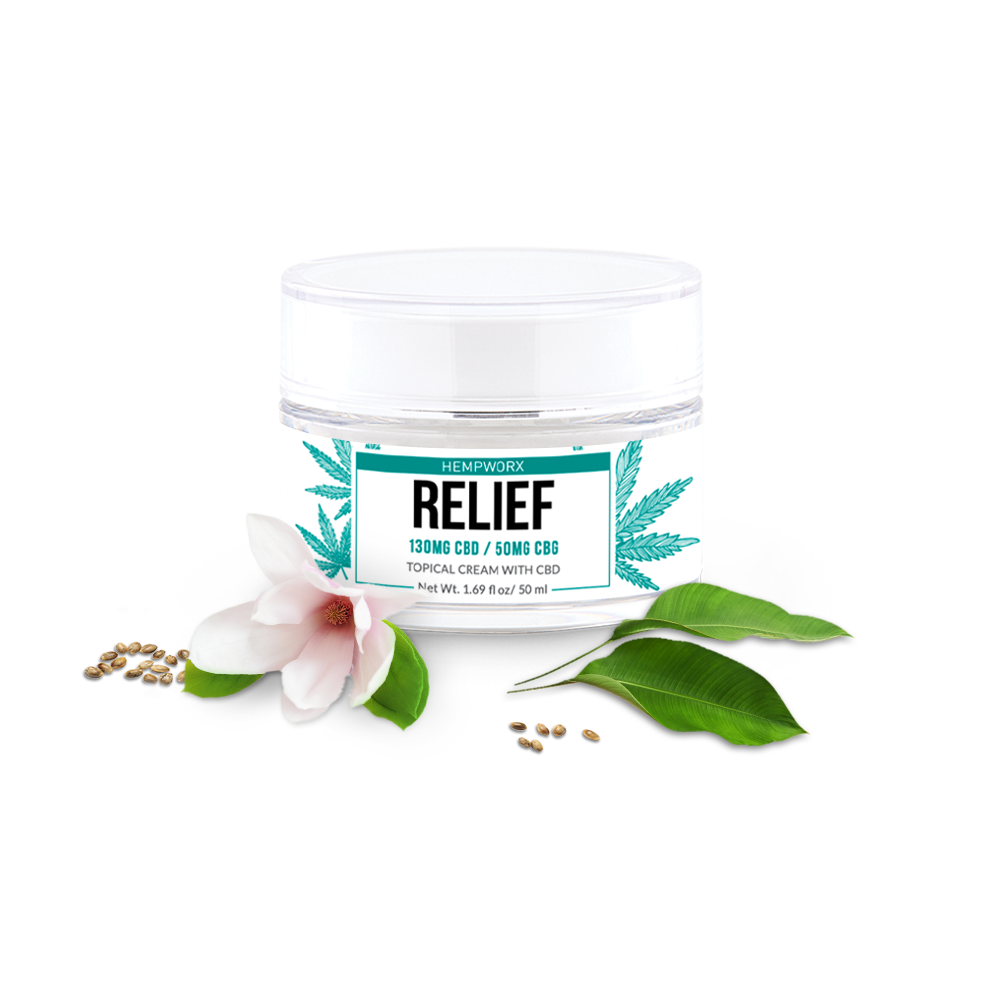
Relief Cooling Cream 50ml from HempWorx at Directly Hemp

CBD Relief Cream

HempWorx Relief Cooling Cream is a topical hemp formulation with menthol designed for external application to targeted areas of the skin. Use according to the current product directions.

View Product
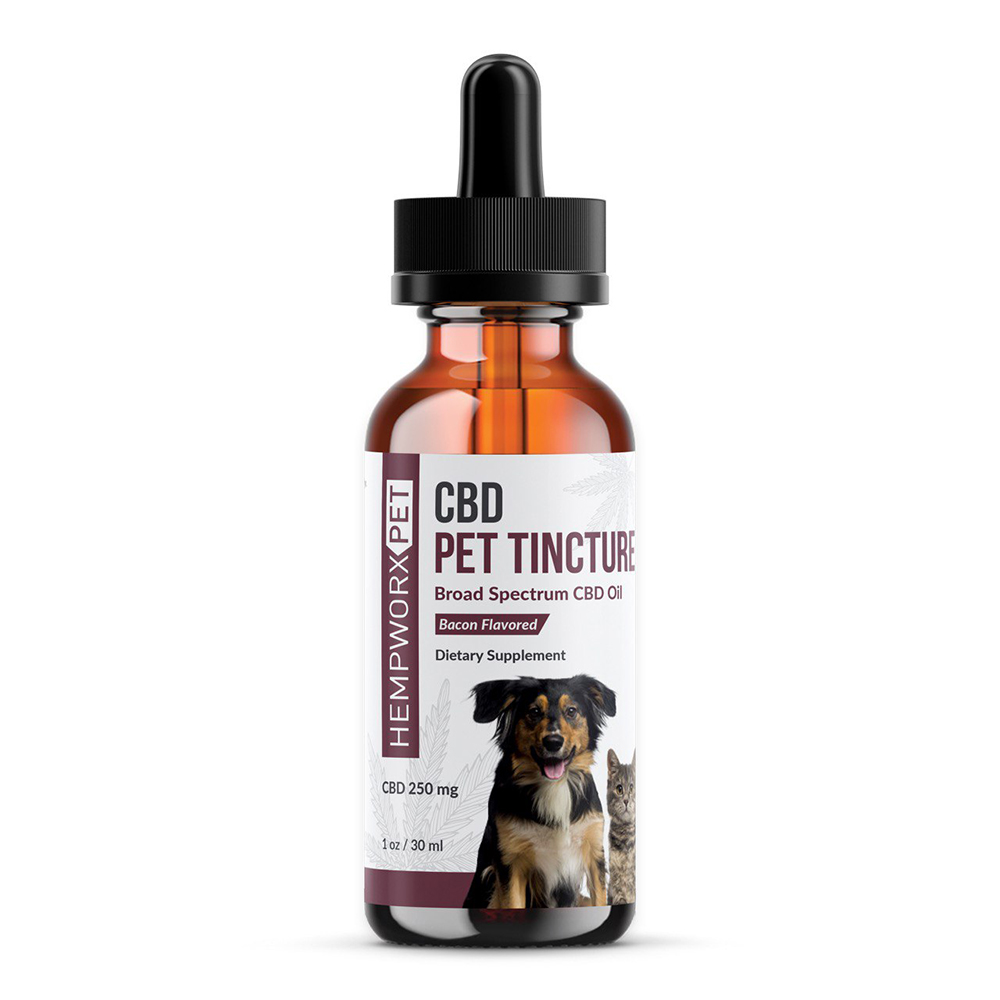
Broad Spectrum CBD Pet Tincture from HempWorx at Directly Hemp

Pet CBD Tincture

A broad-spectrum THC-free tincture formulated specifically for dogs and cats. Follow the product label and speak with your veterinarian before introducing CBD, particularly if your pet takes medication or has a medical condition.

View Product

Answers

Common CBD Questions

CBD is cannabidiol, one of the naturally occurring cannabinoids in hemp. It is generally described as non-intoxicating and is sold in formats such as oils, gummies, sprays, capsules and topical creams. Consumer CBD products are dietary or cosmetic style products, not approved medicines, so they are not intended to diagnose, treat, cure or prevent disease.

CBD itself is generally considered non-intoxicating, so it is not expected to produce the high associated with THC. Full spectrum hemp products can still contain trace amounts of THC within legal limits. If avoiding THC entirely matters to you, a broad spectrum THC-free formulation and the current laboratory report are the two things to check.

It depends on the extract. Full spectrum hemp oils can contain trace THC within federal limits. Broad spectrum products are processed so that THC is not detectable, and isolate contains CBD only. The label tells you the intended formulation and the Certificate of Analysis tells you what was actually measured in that batch.

Standard workplace panels generally screen for THC and its metabolites rather than for CBD. Because full spectrum products can contain trace THC, no seller can promise a specific test result. If workplace drug testing matters to you, review the current laboratory report and your employer's testing requirements before using cannabinoid products.

Qualifying hemp-derived CBD sits outside the federal Controlled Substances Act definition of marijuana, but that is only part of the picture. States set their own hemp rules and the FDA regulates how CBD may be marketed in foods and supplements. A revised federal hemp definition is scheduled to take effect November 12, 2026, so verify current rules in your jurisdiction.

There is no single number that applies to everyone. Reported ranges vary widely because frequency of use, amount used, metabolism, body composition and product format all influence it. Drug tests are a separate question, since those panels generally look for THC metabolites rather than for CBD itself.

Timing varies by product format, formulation, the amount used, whether it was taken with food and individual metabolism. Oral products pass through digestion, while products held under the tongue are absorbed differently. No responsible seller can promise an exact onset time for an individual.

Full spectrum hemp extract keeps a broad range of the plant's naturally occurring compounds, including other cannabinoids, terpenes and trace THC within legal limits. Shoppers usually choose it when they want the widest natural cannabinoid profile rather than CBD in isolation.

Broad spectrum hemp extract keeps supporting cannabinoids and plant compounds while removing detectable THC. It is the category most often chosen by shoppers who want more than pure CBD but prefer to avoid THC entirely. Always confirm the batch report rather than relying on front-label wording.

THC-free normally describes a broad spectrum formulation made so THC is not detectable at the laboratory's testing limit. It is a manufacturing and testing statement, not a legal guarantee about a drug test result. The Certificate of Analysis for your batch is the document that supports the claim.

CBDA, or cannabidiolic acid, is the raw precursor of CBD found in the living hemp plant. Heat and time convert CBDA into CBD, so CBDA products are made to preserve the raw cannabinoid instead. The result is a different cannabinoid profile from a standard CBD oil.

Strength refers to the total milligrams of CBD in the bottle, which combines with bottle size to determine the amount per serving. Compare total CBD, bottle size, milligrams per serving and the product directions. Higher milligram strength does not automatically mean better, and no strength should be treated as a treatment recommendation.

A Certificate of Analysis is a laboratory report for a specific production batch. It typically lists measured CBD, measured THC, other cannabinoids detected, the batch number, the testing date and, when performed, contaminant testing. Matching the batch on the report to the batch on your bottle is the key step.

Yes. Hemp products have a shelf life, and heat, light and air exposure can affect quality over time. Check the expiration or best-by date on the packaging and store the product according to the manufacturer's directions rather than assuming an unopened bottle lasts indefinitely.

Store it cool, dry, out of direct sunlight and tightly closed, unless the label directs otherwise. A cupboard away from the stove or a sunny window is usually a better choice than a car, a bathroom counter or a windowsill. Always follow the storage instructions printed on the product.

TSA states that products containing hemp-derived CBD produced consistent with federal law are generally permitted, and liquids in carry-on baggage still follow the standard liquid rules. Screening focuses on security rather than product legality, and international travel is a separate matter. Check current TSA guidance and destination laws before you fly.

CBD oil is measured with a dropper, which makes the amount used adjustable, while gummies are pre-portioned and taken as a normal edible. Oil offers flexibility, gummies offer taste and simplicity. Neither format should be described as treating a condition.

Look for clear labeling, current batch laboratory testing, an identifiable manufacturer, cannabinoid content that matches the label, a full ingredient list, printed batch information and claims that stay reasonable. Marketing words such as premium or pure mean little without a Certificate of Analysis behind them.

Products intended for animals should be formulated for animals and used according to their label. Animals can respond differently than people and dosing considerations are not the same. Speak with your veterinarian before giving any supplement to a pet, especially if the animal takes medication or has a medical condition.

Directly Hemp is an authorized HempWorx online store and ships to customers in the United States and Europe. You can browse the current HempWorx catalog, including full spectrum oil, broad spectrum THC-free oil, CBDA, gummies, CBD Relief Cream and pet tinctures, on our product pages.

Medical Disclaimer

The information provided on this page is for general educational purposes only and is not intended to diagnose, treat, cure or prevent any disease or to replace professional medical advice. Individual responses to hemp-derived products vary. Consult an appropriate healthcare professional before use, particularly if you are pregnant, nursing, taking medication or have a medical condition.

Written by Monika Jensen  •  Last Updated: September 3, 2026