
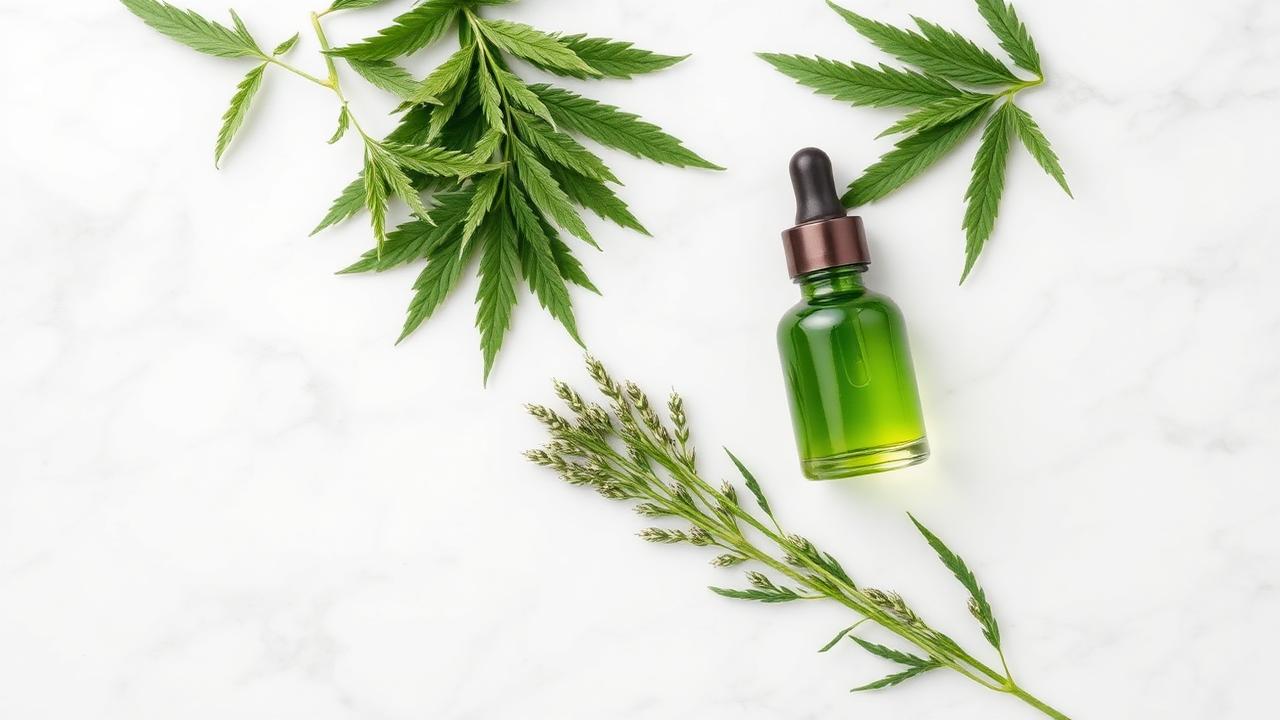
- HempWorx CBDA
- CBDA vs CBD
- broad spectrum CBD
- HempWorx
Before hemp is heated, it contains CBDA rather than CBD, and that one chemical difference is drawing a surprising amount of new attention.
The raw form of the plant
Fresh hemp does not actually contain CBD to start. It contains CBDA, or cannabidiolic acid, which is the raw precursor compound. CBDA only converts into CBD through a process called decarboxylation, which happens with heat, whether that is from drying, curing, or the extraction process itself. Most CBD products on the market have already gone through that heating step by the time they reach a bottle.
Why some brands offer CBDA separately
Some companies now offer CBDA rich extracts that are processed more gently to preserve the compound in its original acidic form. The interest comes from early research suggesting CBDA interacts with the body somewhat differently than CBD, though research on CBDA specifically is still much newer and far less extensive than the research base built up around CBD over the past decade.
How people use CBDA products
CBDA oil is generally used the same way as standard CBD oil, held under the tongue and taken once or twice daily. Some people like combining a CBDA formula with their regular CBD routine rather than switching entirely, since the two compounds are not identical and may complement each other.
What to look for when buying
Because CBDA is more sensitive to heat and light than CBD, look for products that specify their extraction method and provide a lab tested certificate of analysis confirming actual CBDA content rather than just listing it on the label. This is a newer category, so due diligence on the brand matters even more here.
A word of caution
These statements have not been evaluated by the Food and Drug Administration. This product is not intended to diagnose, treat, cure, or prevent any disease. Speak with a healthcare provider before adding a new hemp compound to your routine, particularly if you take other medications.
Keep reading on our site
Sources and further reading
These statements have not been evaluated by the Food and Drug Administration. These products are not intended to diagnose, treat, cure or prevent any disease.